




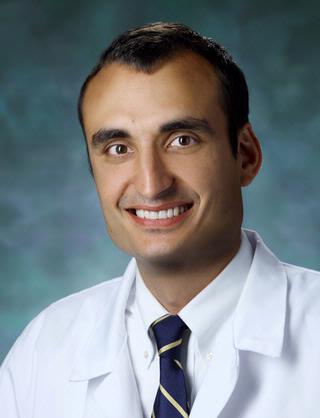
Ray Dorsey, M.D.
Dr. Dorsey holds a Bachelor of Science in biological sciences from Stanford University, and a joint MD/MBA degree from the University of Pennsylvania Perelman School of Medicine and the Wharton School. Upon graduation, Dr. Dorsey spent two years at McKinsey & Company consulting for pharmaceutical and tech companies during the dot-com boom. His life changed seemingly overnight after a chance encounter with his mentor, Dr. Steven Galetta, now Chair of Neurology at New York University. “He said to me, ‘If you’re not passionate about what you’re doing, you should come do a residency. You won’t feel complete unless you do.’ He was right.” A light went on.
Dr. Dorsey returned to medicine, completing his residency at the University of Pennsylvania after an internship in Chicago. During the neurology track, Dr. Dorsey fell in love with the intricacies of the human brain. When his residency was complete, he and his family moved to Rochester, New York, where Dr. Dorsey was a fellow in movement disorders and experimental therapeutics at the University of Rochester before going on to become Assistant Professor in the Department of Neurology.
From 2010 through 2013, Dr. Dorsey served as Associate Professor of Neurology at Johns Hopkins Medicine. There, he was the Director of the Movement Disorder (Parkinson’s disease) Division and of Neurology Telemedicine, where he created a pioneering virtual care program that reached patients across six continents.
In 2014, he returned to Rochester as the David M. Levy Professor of Neurology and Co-Director of the Center for Health and Technology at the University of Rochester Medical Center. Over the next 12 years, he helped transform Rochester into a hub for telemedicine and clinical trials, developing innovative care models that bring medicine directly to patients in their homes and communities. “Most of our training as doctors is in hospitals,” he says, “but I quickly saw that most of medicine takes place in the real world.” His patient-centered approach led to virtual clinics for Parkinson’s patients and pushed health care delivery beyond traditional settings.
A longtime proponent of the application of technology to improve access to specialized care, his focus on Parkinson’s disease has made a lasting impact on countless lives. “Health care is designed to treat you after you’re sick,” he says. “I want to prevent diseases in the first place.” In 2015, he was honored at the White House as a Champions of Change for his efforts to improve treatments and care for those affected by Parkinson’s. He is also an author of more than 200 peer-reviewed academic papers and has raised more than $60 million in grant funding.
At Atria, Dr. Dorsey is a practicing neurologist and director of the Center for the Brain & the Environment, a nonprofit research initiative that will investigate the environmental causes of brain diseases, including Parkinson’s, Alzheimer’s, and more. “Many diseases of the brain have a genetic component, but for many, environmental factors are to blame,” he says. “This signals an urgent need to focus on prevention. We’ve ended many other diseases, and I think Parkinson’s should end in my generation. That’s a very powerful idea to me.”
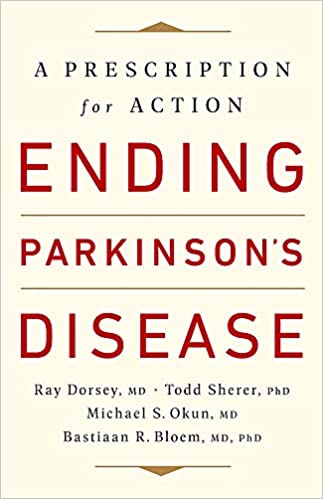
Outside of work, Dr. Dorsey enjoys sports and is a writer. He is an author of Ending Parkinson’s Disease (2020) and the forthcoming The Parkinson’s Plan: A New Path to Prevention and Treatment (2025). His deep sense of purpose fuels his passion for research and prevention. “These opportunities don’t come around all the time,” he says. “My impatience is that I know this isn’t the way things have to be. We can do better—and we must.”